HEI PEDAGOGY AND CURRICULUM

HEI Schools is an award-winning international kindergarten from Finland that has consistently ranked at the top of the world’s best education charts. Our pedagogy and curriculum are designed based on the latest research in early childhood education from our co-founding partner, the University of Helsinki. Our lessons and approaches have been tested in preschools across Finland, yielding positive and proven results.

HEI WAY

CURIOSITY & CREATIVITY

Curiosity is the driving force behind learning, and creativity stems from playful exploration. We create rich learning environments for childrento explore with their senses. When natural curiosity is acknowledged and nurtured, children begin to ask questions about the world around them.

ACTIVE PARTICIPATION

Children have the right to be heard and included. They have a variety of ways to express their opinions, create their own play, and show their emotions. We encourage participation by providing children with opportunities to make decisions regarding their daily lives. This supports their growth as responsible members of society while strengthening their confidence and sense of belonging.

CULTURE OF TRUST

Culture is built on mutual respect and a commitment to shared responsibilities. Feeling safe, respected, and trusted are basic preconditions for any human being to learn. When people trust each other, they grow and learn. When children are surrounded by a culture of trust, they are free to explore, experiment, and move through their space with ease.

SUSTAINABLE WAY OF LIVING

Taking care of our communities without compromising the planet.
Sustainability is not only about being environmentally aware.
At HEI Schools Yangon, children are educated to be respectful and compassionate individuals who honor diversity and contribute to creating a more sustainable world both culturally and environmentally.

LEARNING EVERYWHERE & ALL THE TIME

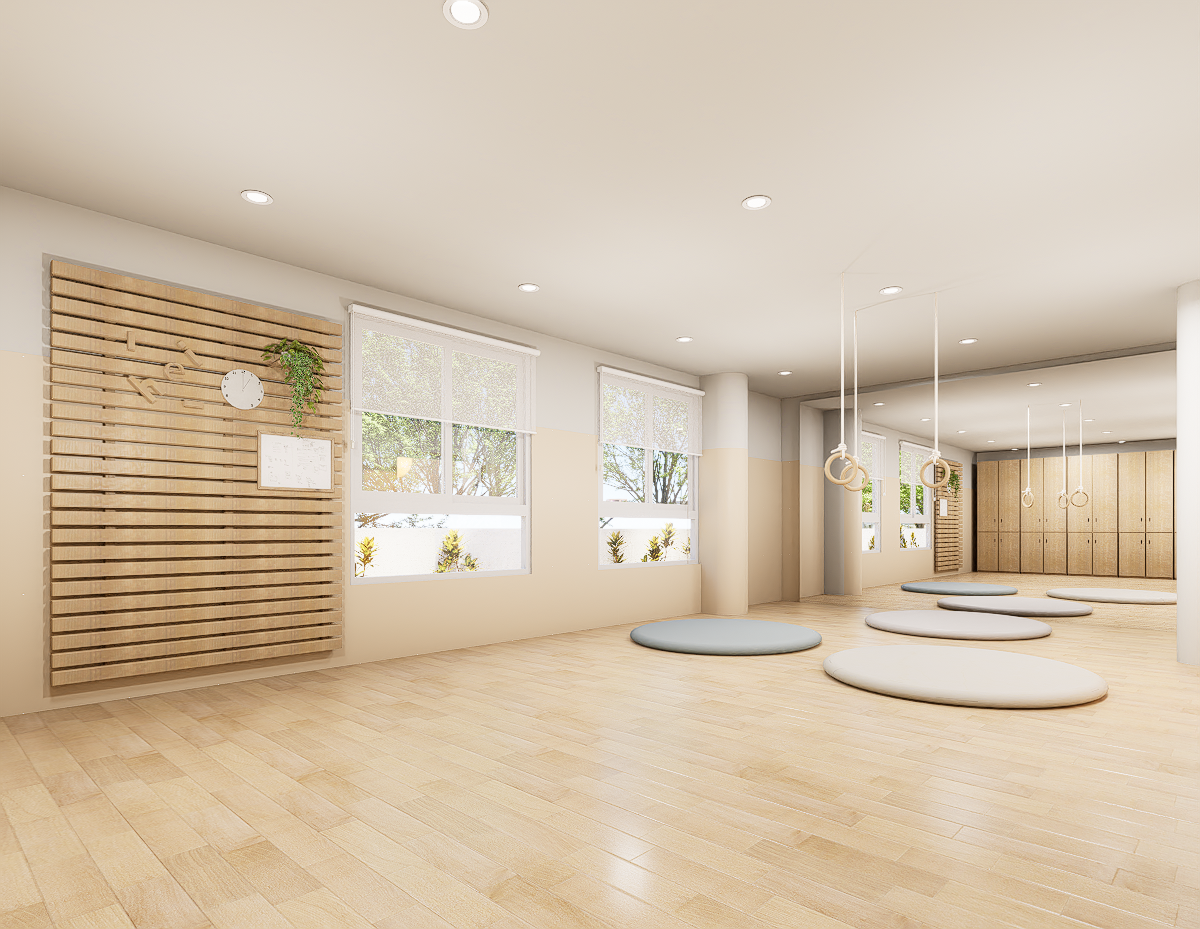
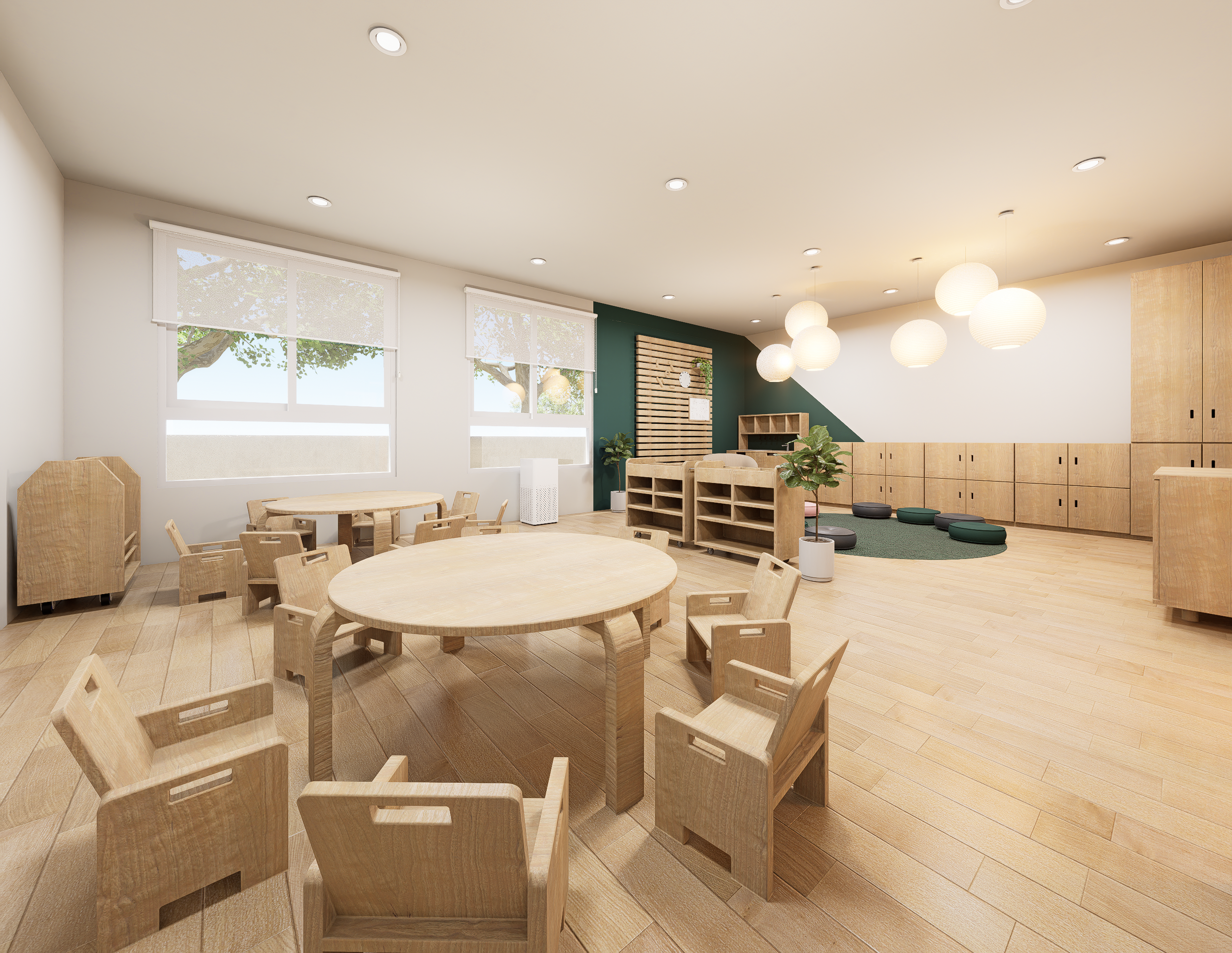
Learning is a constant, complex, and interconnected process that isn’t limited to specific activities or only to inside a classroom. At our preschools, learning is approached holistically, where each interaction with other children, teachers, or nature presents a possibility for learning. Our learning environments are carefully designed to encourage children to interact, explore, rest, and unwind.

The curriculum is driven by several foundational principles

The HEI Schools Curriculum is built upon the Finnish model of early childhood education and care, which operates on the belief that childhood is an inherently valuable stage of life, rather than just preparation for primary school. It prioritizes high-quality education and the holistic development of a child by meeting their social, emotional, cognitive, and physical needs.

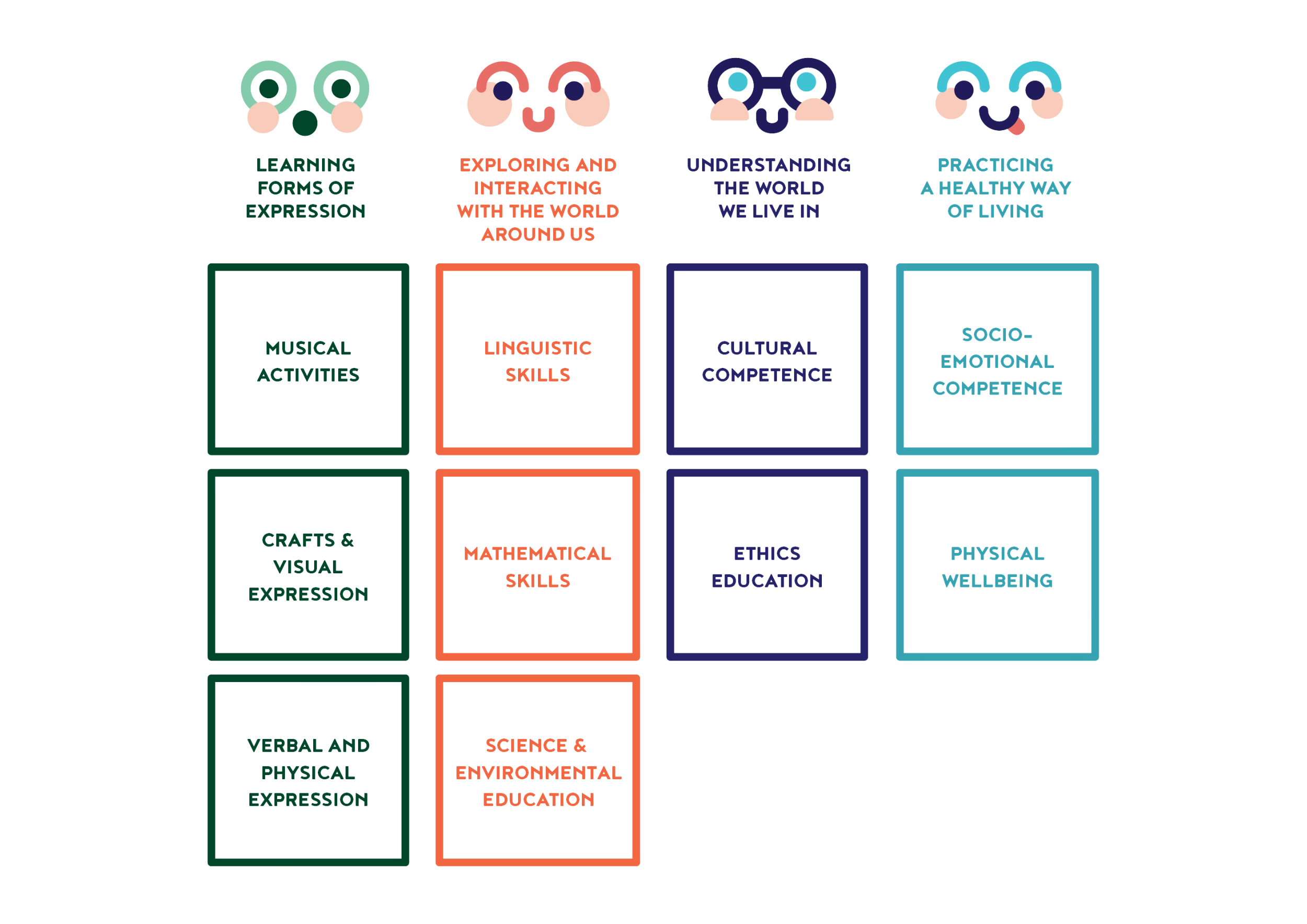
Learning Forms of Expression

Learning forms of expression equip children with the ability to express themselves. Artistic experiences and expressions promote the development of a positive self-image, social skills, and the capability to understand the surrounding world.

Exploring and Interacting with the World Around Me:

HEI Schools promotes children’s capability to observe, analyse, and understand the surrounding world. We support the development of children’s linguistic and mathematical skills through various activities in everyday life. Through science and environmental education, we strengthen children’s relationship with nature and their awareness of sustainable ways of living.

Understanding the World We Live In

We support children’s growth as conscious human beings and help them understand what it means to be ethically responsible members of society. We aim to design inclusive spaces in which dignity and safety are the norm, diversity is recognised and respected, and everyone feels encouraged, supported, and included.

Practicing a Healthy Way of Living:

At HEI Schools, we promote children’s socio-emotional competence by practising empathy and compassion, self-regulation, and by naming and recognising our own and others’ emotions. We also discuss the importance of healthy nutrition, physical activity, rest, and personal hygiene with the children, encouraging them to be physically active in a variety of ways.

4 LEARNING FRAMEWORKS 10 MODULES

The curriculum is driven by several foundational principles

Learning Everywhere: Education is viewed as a continuous journey extending to the home, playground, and daily activities

Play as a means of learning: Suitably challenging and goal-oriented play inspires children to learn and explore phenomena.

Active Participation: Children are given the autonomy to make choices and participate in planning their own activities.

Curiosity and Creativity: Activities are open-ended to stimulate natural curiosity, problem-solving, and innovative thinking

Culture of Trust: Strong, transparent relationships between educators, children, and families are prioritized

AN INDIVIDUAL PLAN

An individual plan is created for each child attending HEI Schools. Teachers use the Child’s Individual Plan to promote dialogue and seek answers to the question of what HEI Schools can do to help the child recognise their full potential.

AN INDIVIDUAL PLAN

An individual plan is created for each child attending HEI Schools. Teachers use the Child’s Individual Plan to promote dialogue and seek answers to the question of what HEI Schools can do to help the child recognise their full potential.

A PORTFOLIO

Each child at HEI Schools has their own portfolio, in which they gather meaningful documents with the help of the teacher. These might include drawings and other artwork, photographs of events, play, projects, trips, stories, narratives, and interviews. The portfolios showcase the children’s experiences, interests, and development during their time at HEI Schools.

HEI YEARS

CLASSES

AGE GROUP

Pre - K

1y5m - 3Yo

K1

3 - 4 Yo

K2

4 - 5 Yo

Pre - Primary

5 - 6 Yo

HEI CALENDAR

2025/2026

TERMS

START

END

1

21 Aug 2025

12 Dec 2025

2

21 Aug 2025

12 Dec 2025

3

21 Aug 2025

12 Dec 2025

Winter Camp

21 Aug 2025

12 Dec 2025

Summer Camp

21 Aug 2025

12 Dec 2025

FUNDAMENTAL CONCEPTS
IN HEI EDUCATIONAL PRACTICE
1. Holistic learning and development

At HEI Schools, recognise that each child is a unique individual with their own ideas, thoughts, and needs. We prioritise both physical and emotional wellbeing, nurturing children’s competencies while fostering their participation and autonomy.

We teach them essential self-care skills and help them develop social-emotional abilities, equipping them with the life skills needed for their journey ahead.

2. Sustainable practices

We believe that sustainability should be a core part of education. This means using practices that are lasting and benefit the community.

We focus on including local culture and teaching kindness, as well as encouraging children's connection to nature and their responsibility to care for the environment.

3. The importance of teachers

At HEI Schools, we strongly believe that teachers matter. We recognise teachers as educators and as experts in their field. The effectiveness of our curriculum relies heavily on the skills of the teacher implementing it. Therefore, all our teachers receive comprehensive training in research-based methods and participate in ongoing professional development to ensure high-quality education.

This training helps teachers become confident, independent, and creative professionals who can collaborate and build supportive communities with other educators.

4. Learning everywhere and all the time

Learning goes beyond specific activities or the classroom. Every moment offers a chance for new discoveries!

At HEI Schools, our educators are trained to spot these learning opportunities and make the most of them. We also design our learning spaces with research in mind, knowing that the environment plays a big role in children's daily learning experiences.

5. Play as a way to learn

Play is the most natural way for children to learn and is essential for their development. While playing, children show their growth and often perform beyond their current level because they are eager to learn and willing to take risks.

At HEI Schools, our curriculum and teachers support play and enhance these valuable learning opportunities. We also recognise the importance of free play without adult interference, as it allows children to work together, explore their environment, solve problems, and express their creativity.

6. The social experience of learning

Knowledge is constructed socially, meaning children learn through their interactions and relationships with others. Cultivating a sense of community, peer learning, and fostering meaningful connections with both their peers and trusted adults are essential components of the HEI Schools pedagogy.

Through these interactions, children develop the social-emotional skills necessary for effective self-expression and interpersonal communication in diverse situations.

7. Learning through exploration

Children learn through guided exploration, particularly when engaging in project work. Our inquiry-based learning approach involves a collaborative partnership between children and teachers. Educators are trained to observe children's questions and interests, using these insights to guide the learning process.

This way, children take charge of their learning by choosing project topics, asking questions, and exploring new subjects with their teachers.

8. Transversal skills and learning areas

Lifelong learning begins in the early years. At HEI Schools, we focus on transversal competencies, which encompass knowledge, skills, values, and attitudes, as well as the ability to apply this knowledge in various situations.

We teach children to transfer their existing knowledge to new contexts through playful methods, movement, exploration, daily routines, and self-expression, enabling them to become confident learners capable of adapting to and transforming any environment.